

We detail how modern electronic loads cause triplen harmonics to accumulate in neutral conductors, posing a major fire risk and resulting in OESC compliance failures. Learn the proper mitigation strategy.
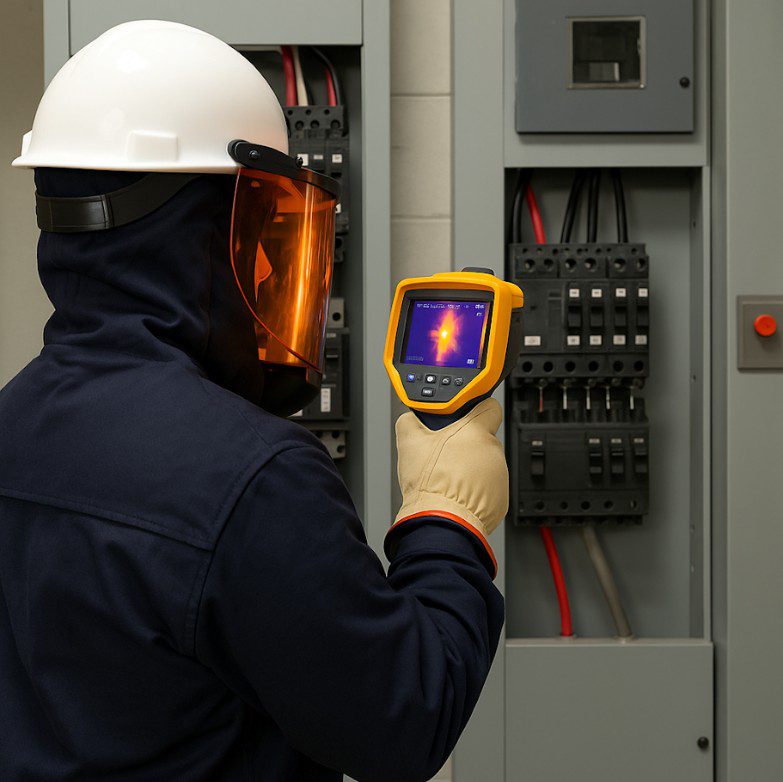
Arc flash events are often preceded by a single fault: high resistance. See how our Fluke Ti480 PRO audit identifies these thermal precursors to prevent catastrophic failure and ensure your team’s NFPA 70E safety.

Discover why faulty grounding systems are the primary source of electrical noise that leads to PLC communication errors and data corruption. Learn how to eliminate hazardous ground loops for system stability.
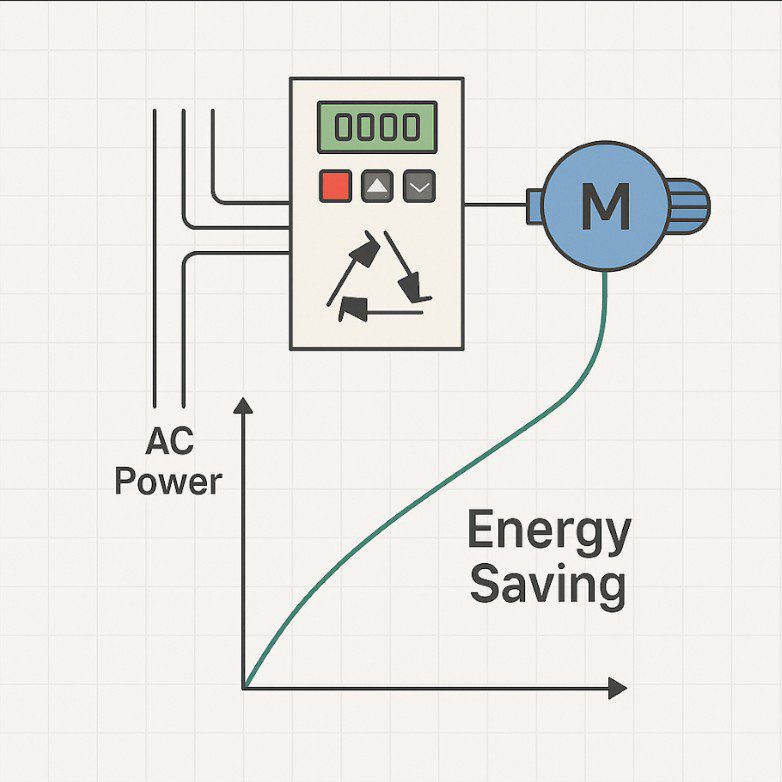
VFDs are essential, but they inject harmonic pollution. We detail the mitigation strategies—from line reactors to Active Harmonic Filters (AHF)—to ensure your VFDs maximize savings without violating IEEE 519 limits.

Traditional methods fail to find leaks in noisy environments. We show how the Fluke ii915 Acoustic Imager visually pinpoints compressed air leaks, quantifying the flow rate and estimating your annual financial losses.

A low Power Factor is a signal of inefficiency that leads to costly utility penalties. We explain the technical risks, such as system overheating, and detail how correcting your PF delivers immediate financial returns.

Effective grounding is not about quantity, but precision. We explain why the distance between ground rods and accurate soil resistivity testing are critical to meeting OESC Rule 10 standards efficiently.
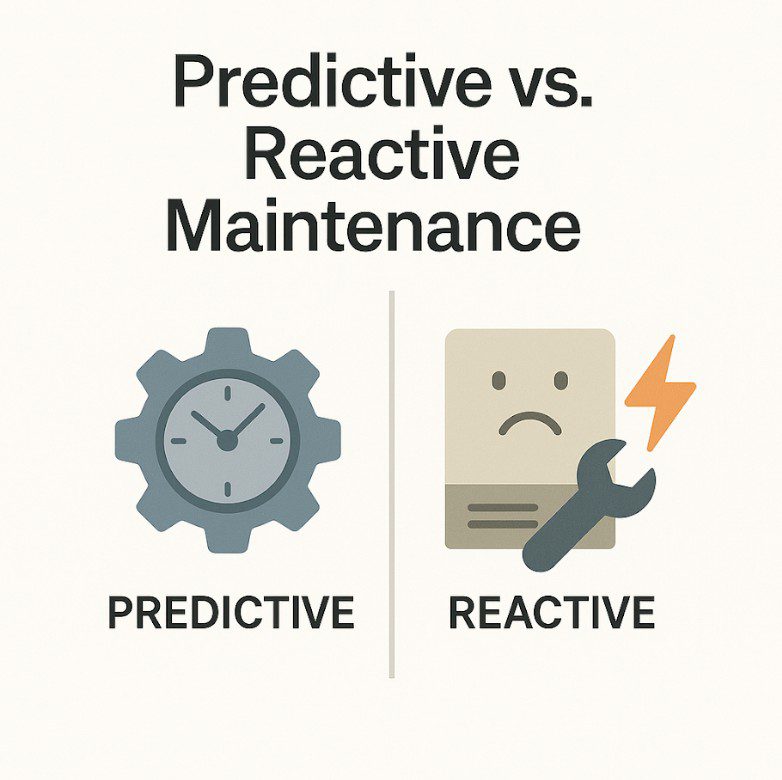
Fix it before it breaks. We outline the financial catastrophe of reactive maintenance and demonstrate how predictive diagnostics (Thermal & PQ) eliminate unplanned downtime and accelerate equipment depreciation.

Most damaging voltage spikes are generated internally when motors switch off. Learn how our layered SPD strategy and the Fluke 1777’s high-speed capture protect your sensitive electronics from your own operations.

Discover why faulty grounding systems are the primary source of electrical noise that leads to PLC communication errors and data corruption. Learn how to eliminate hazardous ground loops for system stability.

We detail how modern electronic loads cause triplen harmonics to accumulate in neutral conductors, posing a major fire risk and resulting in OESC compliance failures. Learn the proper mitigation strategy.
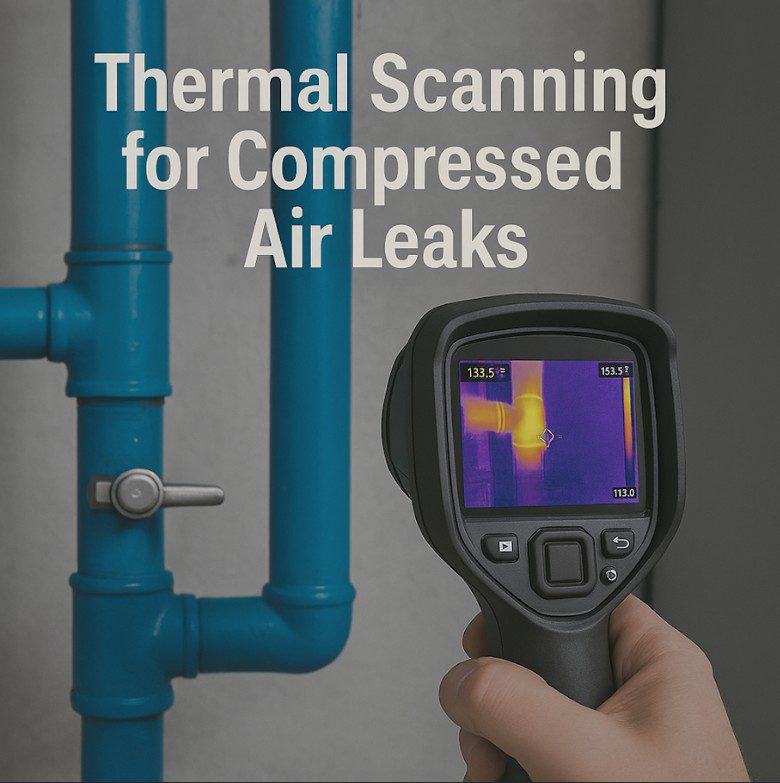
Using the Fluke ii915, we transform leak detection from a slow manual task into a fast, visual hunt. This ensures accurate ROI quantification and rapid repair prioritization across your facility.
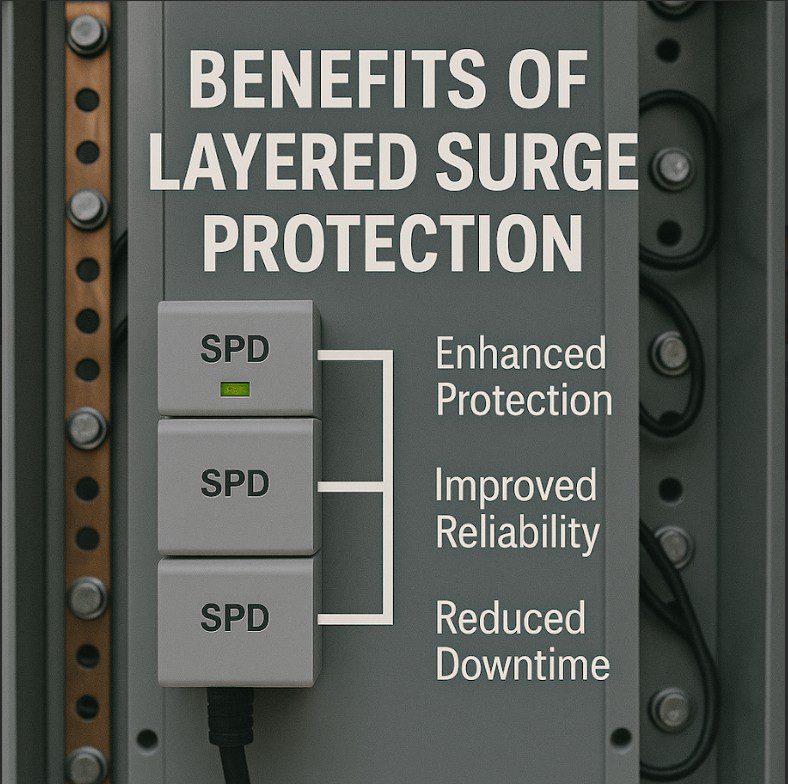
Protection requires a coordinated defense. We explain the IEEE C62 three-stage strategy, showing why installing a single SPD is insufficient against external and internal transients.
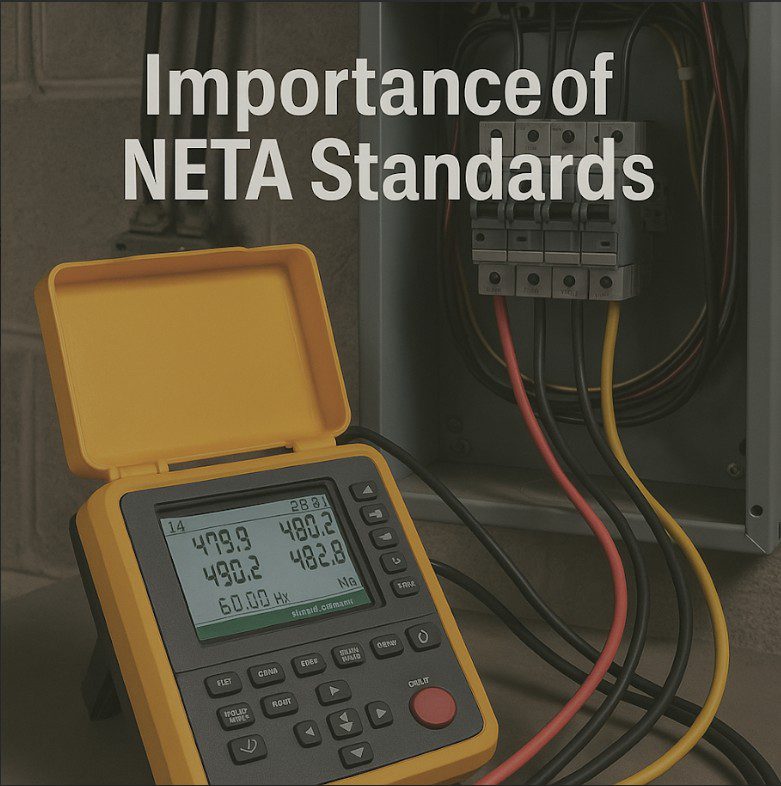
We explain the difference between a hot component and a critical fault. Our use of NETA standards and Delta T analysis provides your maintenance team with a clear, quantified priority list for immediate action.

Unexpected Downtime: Identifying and Eliminating Hidden Electrical Causes Unexpected downtime is one of the most costly and disruptive events for any industrial or commercial facility. Sudden equipment resets, PLC faults, production halts, or unexplained system crashes rarely happen without a root cause — and in most cases, that cause lies deep within the electrical infrastructure…

Poor Lighting Quality: Diagnosing and Correcting Electrical Causes Behind Flicker and Instability Lighting quality is one of the most visible indicators of electrical system health — yet it’s also one of the most overlooked. Visible flicker, inconsistent brightness, or employee complaints about eye strain and fatigue are often treated as minor issues, but they are…
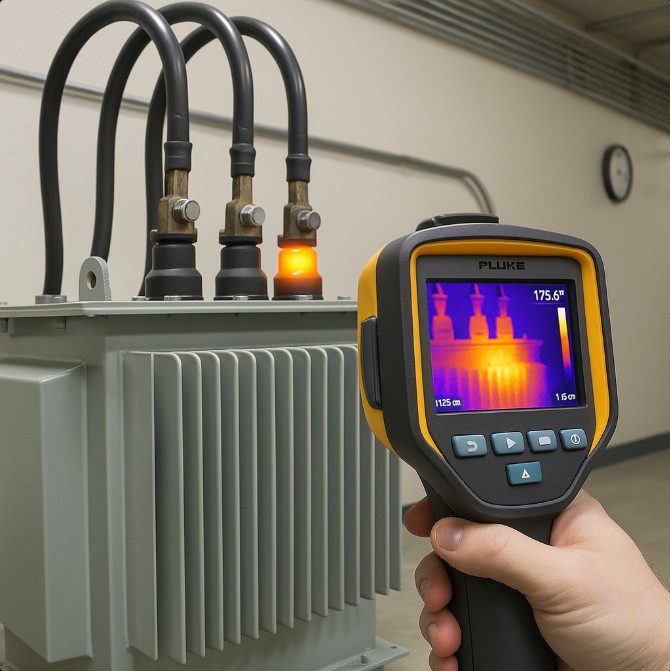
Overheating Equipment: Identifying Thermal Stress and Preventing Electrical Failures Excessive heat is one of the clearest early warning signs of electrical problems. Hot panels, glowing terminations, overheated busbars, or motors running above their rated temperature all signal underlying issues that, if ignored, can escalate into catastrophic failures. Understanding why components overheat — and acting before…

Safety Concerns: Identifying Electrical Hazards Before They Become Catastrophic Unidentified electrical hazards, arc flash risks, faulty grounding, and improper installations pose significant dangers to both personnel and infrastructure. Even a seemingly minor oversight — such as a loose connection, a mislabeled panel, or an unbonded enclosure — can evolve into a life-threatening event. Proactive hazard…

Equipment Failures: Uncovering the Hidden Electrical Causes Behind Premature Breakdown Unexpected equipment failures — frequent breaker trips, premature component burnout, or devices failing without obvious cause — are among the most frustrating and costly issues for industrial and commercial facilities. While mechanical wear is often blamed, in most cases the root cause is electrical stress…

Rising Expenses: Pinpointing the Electrical Causes Behind Higher Energy Bills High utility penalties, inefficient power usage, and hidden energy waste can quietly inflate operating costs month after month. Beyond simple kWh consumption, most bills include power factor penalties, demand charges, and losses from poor power quality that standard monitoring fails to reveal. Identifying and removing…